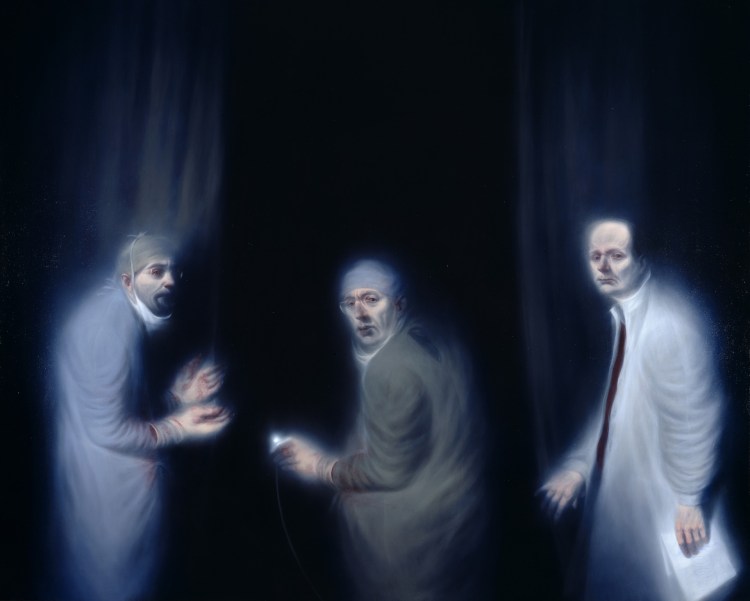
The Scottish National Portrait Gallery was just a refuge from the pipers and Fringe flyers on Princes Street, so I was unprepared for this whopping triple portrait, executed at dramatic scale and measuring 2½ metres by 2 metres. The floor dropped away and the gallery vanished. I had disturbed Professor Sir Alfred Cushieri and felt foolish in T-shirt and jeans. These oncologists had pierced the veil and were mapping the uncharted reaches of space. They laboured on the edge of a precipice and the view was both sublime and terrifying.
In part, Moore’s debut collection reprises her two stunning pamphlets: the existentially inquiring, honest and dignified The Only Reason for Time, and Night Letter, short-listed for the Michael Marks Award for Poetry Pamphlets, 2016, and torn between poles of hope and despair. Both pamphlets sold out, so their availability in book form is a blessing.
Some of the collection’s new poems also explore the loss of a loved one and ‘The Oncologist’ took me back to Ken Currie’s extraordinary portrait. The poem opens:
Poets are meant to suffer. Use it, he said,
sprawled across your bed writing his notes.
You’d gone out for a pee, the ward was quiet.
I told him how frightening it was, and his look
told me he understood – he’d nursed his wife
and watched death take many of the pale figures
queuing at his clinic.
Moore’s oncologist towers with Cushieri and his colleagues. His bold opening statement (he even starts the poem) suggests his considered thought – and of course he appreciates that no-one is better placed to document the human experience than a poet. He’s powerful too as he commands the narrator to ‘use’ her experience for her good – for the general good. Moore implies the intimacy of his ongoing care with economy as the oncologist is ‘sprawled’ across the bed. And suddenly he’s a priest of sorts, as the poem’s ‘you’ leaves for a pee, creating a moment of intimacy – and showing how disease and dying drops its pockets of secrecy within our relationships. This poem is subtle, unflinching stuff. Although initially perceived as powerful and relaxed, we learn that the oncologist ‘nursed his wife’ – traditionally a female role – and reminding us that death knocks every door.
Some of the collection’s new poems negotiate our responses to places with perception and precision. ‘Taking Visitors to Auschwitz’ opens:
It’s here
except it’s not.
This could be anywhere or on the edges of.
That car’s parked askew
and sparrows forage on the tarmac
while people pose each other at the entrance.
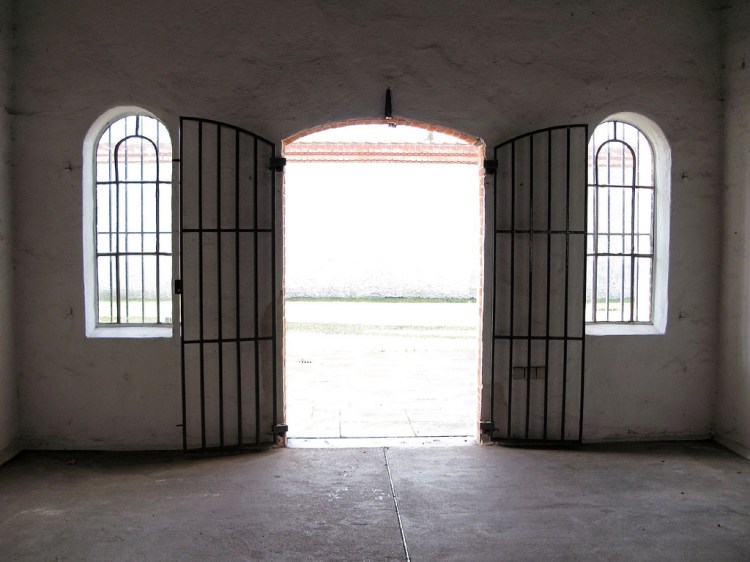
Even the poem’s indefinite articles refuse to name the place as, sickeningly, Auschwitz becomes another destination – except that it can never be another destination. The poem develops, Auschwitz remains unnamed and, increasingly, this feels like an evasion. Repetitions pile up: ‘Better to wait, / better to wait’, ‘Coaches drop off groups […] Coaches drop off groups’ and whether we believe in ghosts, or not, Moore’s extermination camp maintains a whiff of itself as it processes people on an industrial scale. She pulls off a similar effect with another Second World War poem, ‘The Cell at Plötzensee’. The poem’s speaker rejects the idea of the supernatural, having worked in a Warsaw building, once used [‘they say’] as a Gestapo prison ‘but never truly sensed a ghost’. However, at Plötzensee, Hitler’s would be assassins were:
[…] to be hanged like cattle.
Hanging from hooks was meant to last longer. Their deaths
may have been filmed, though no film survives unless in some
hidden cabinet of secrets or dark net. The meat-hooks
could be slid along the flange of the high iron beam
where five still dangled in a line, narrow and bare.
There, in the space between ‘five’ and ‘still’ the cell is haunted by Hitler’s would be assassins – except they’re only there because the speaker has added them for us, as they were, in turn, added for her: ‘Unless only the hooks are shown // and I’ve drawn the bodies from a slaughterhouse image’.
Moore’s is a rare gift. We occasionally encounter artists, gatekeepers, who work at the limits of the known, of the utterable. Their work is shamanistic – rooted to experience, woven from the fabric of the universe. Moore would, doubtless contend this quasi-spiritual claptrap but her work achieves this. Like Currie’s oncologists, her poems shimmer with unworldliness, despite their grounding.
Buy The Distal Point from HappenStance
RELATED LINKS
- >>Check out Fiona Moore’s blog, Displacement, here>>
- >>Poor Rude Lines reviews Fiona Moore’s pamphlet, The Only Reason for Time, here>>
- >>Poor Rude Lines reviews Fiona Moore’s pamphlet, Night Letter, here>>





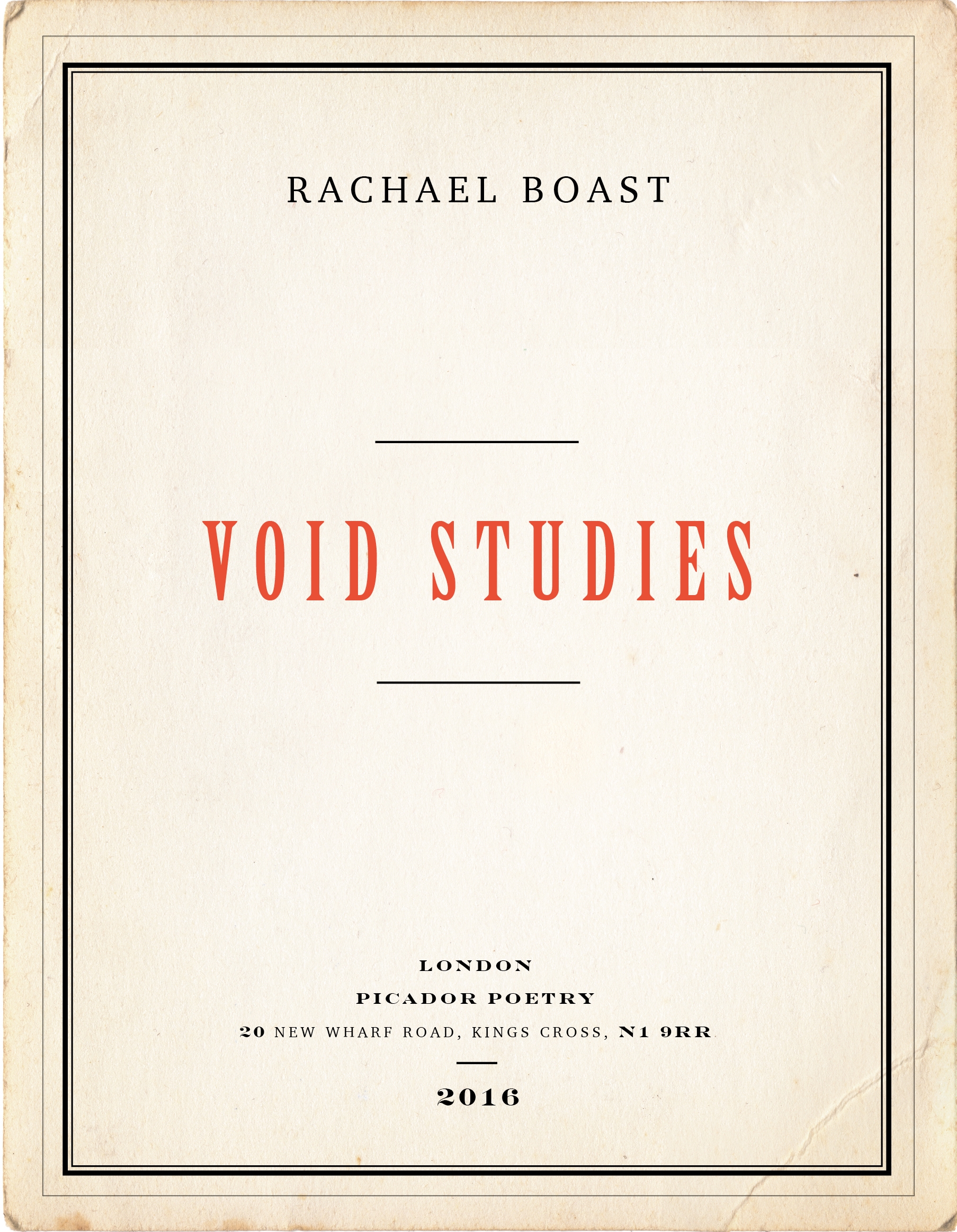 Rachael Boast’s Void Studies was the first up and this was a poetry collection on the edge. Its language reinscribes words with power in a fabulous dreamscape of memory and desire as it invokes – reincarnates – Arthur Rimbaud. The poems’ relationships with one another are like the facets of a precious stone – individually beautiful but, together, they reflect and refract ideas and sounds into a spectrum of pure colour. This collection was jaw-droppingly inspiring and a great start to my ten weeks of reading.
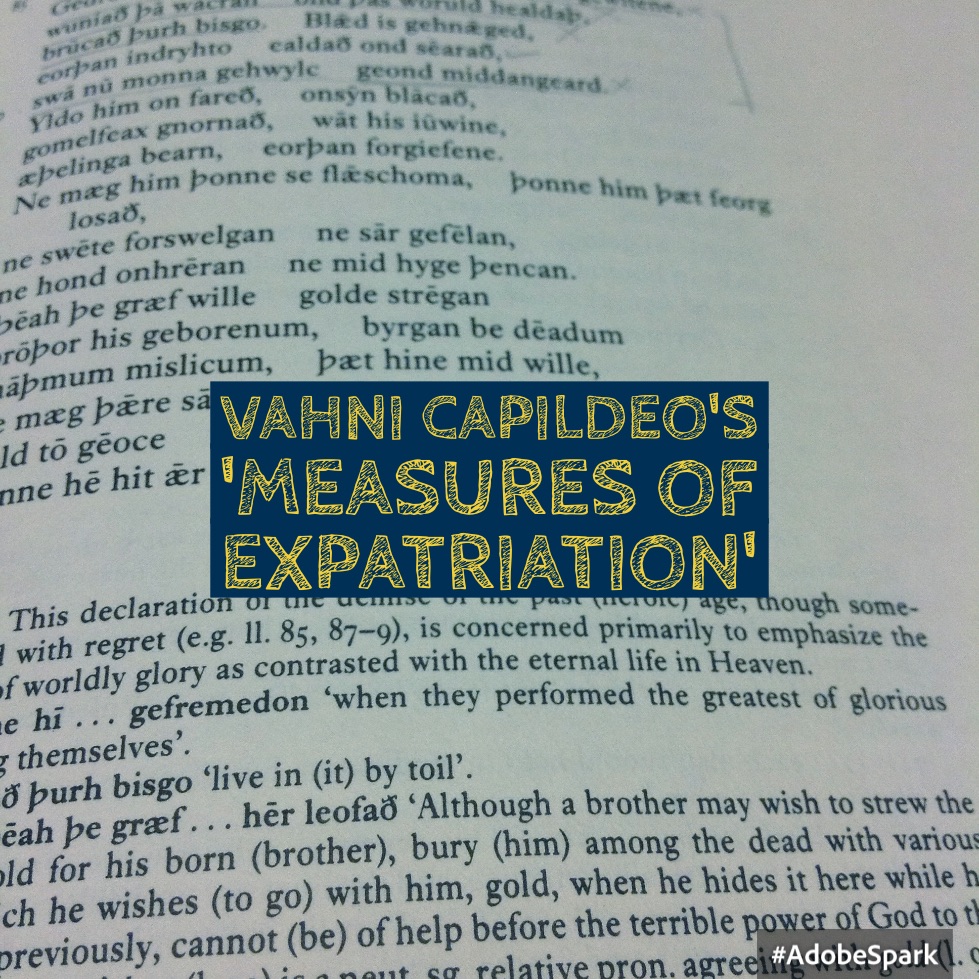
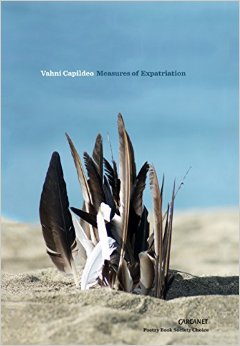 Next up was Vahni Capildeo’s Measures of Expatriation. As I wrote for the T.S. Eliot Foundation newsletter, this collection opens with an epigraph from the Old English poem, ‘The Seafarer’, (‘Blessed is he who lives humbly’) and ‘helps us to measure language and ideas against a thousand years of invasion, immigration and imperialism’. With a resurgence of nationalism, protectionism, introversion and a general fear of the other, Capildeo’s poetry feels important and timely.
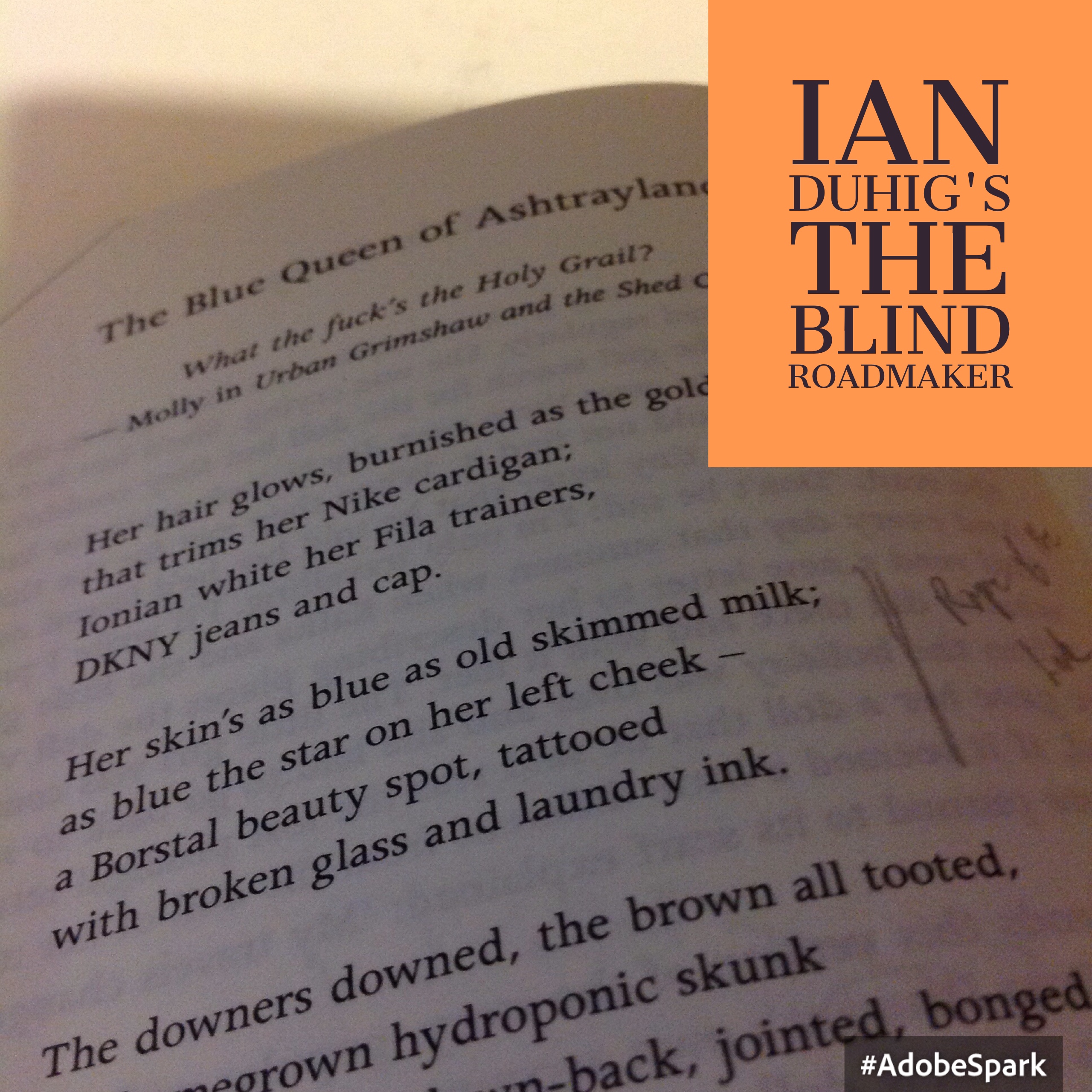
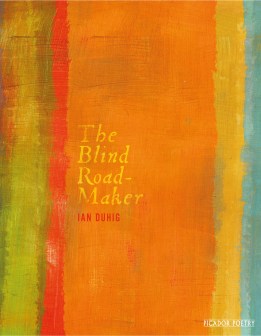 Wit, wisdom and social engagement flow from Ian Duhig‘s Twitter account – @IanDuhig. Take this recent Tweet: ‘The Importance of Being Earnest.docx. A play on Word’. His nominated collection, The Blind Roadmaker, is filled with his trademark wit and his sheer joy in language. However, it also engages with social justice and historical revisionism through figures like Blind Jack Metcalf, a Renaissance Man of the late 1700s / early 1800s. As I wrote for the T.S. Eliot Foundation, ‘Duhig validates his subjects through cross-cultural comparisons, describing Metcalf as ‘our Daedalus of roads”. If culture is our collective memory, then Duhig’s collection is a political act: inviting society to remember a different set of figures and to spend a little less time revering the cold bronze imperialists typically memorialised by the nation. Duhig invites a humbler, more humane memory of ourselves.
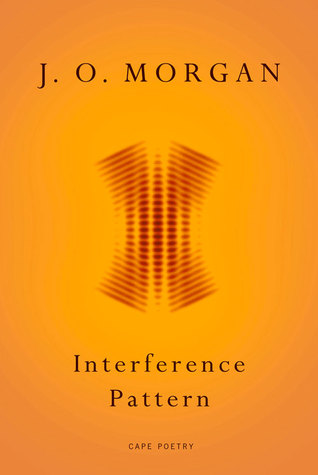 J.O. Morgan’s Interference Pattern was a revelation. As I explained in my T.S. Eliot Foundation piece, the collection ‘offers vivid physical experience, offset by oblique, figurative responses’. The collection sets quasi-Homeric similes against a set of dramatic monologues – it sets the physical against the transcendental and watches as the sparks fly. Like Boast’s, Morgan’s poems gain mass and gravitas from the others around them and this book adds up to more than a poetry collection – it’s a single entity… a work of art.
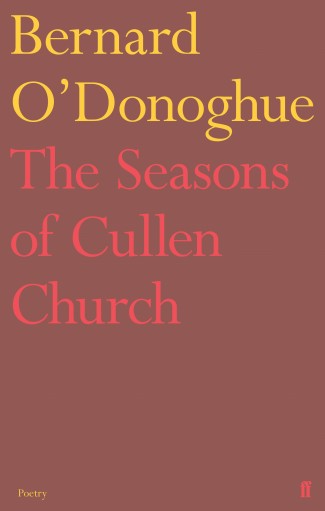 I’ve been reading Bernard O’Donoghue my entire adult life. At uni, the rest of my year group wisely decided to take a course with him… and fell in love in an afternoon. He’s a generous optimist, once putting his hand in his pocket to help a friend of mine to launch a literary magazine that lasted 2 issues. Like Duhig, O’Donoghue tends the flame of a more humane humanity. In The Seasons of Cullen Church there’s no ‘project’ like Morgan’s or Boast’s, but there’s a mastery of craft like no other.
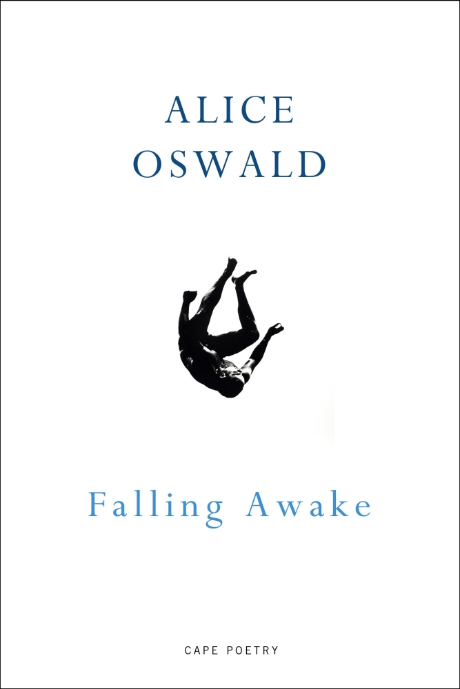 Alice Oswald’s Dart reinvigorated my faith and excitement in contemporary poetry and Falling Awake, winner of the Costa Poetry Award, is yet another superb collection from an exciting poet. The stand out poem is ‘Tithonius’. A graduated line – time? – threads through its backbone and it retains Dart’s distinctive sense of journey through landscape and time. Oswald’s deep engagement with Classical literature helps her to convey timelessness through the perpetual repetition of actions as the planet spins through space.
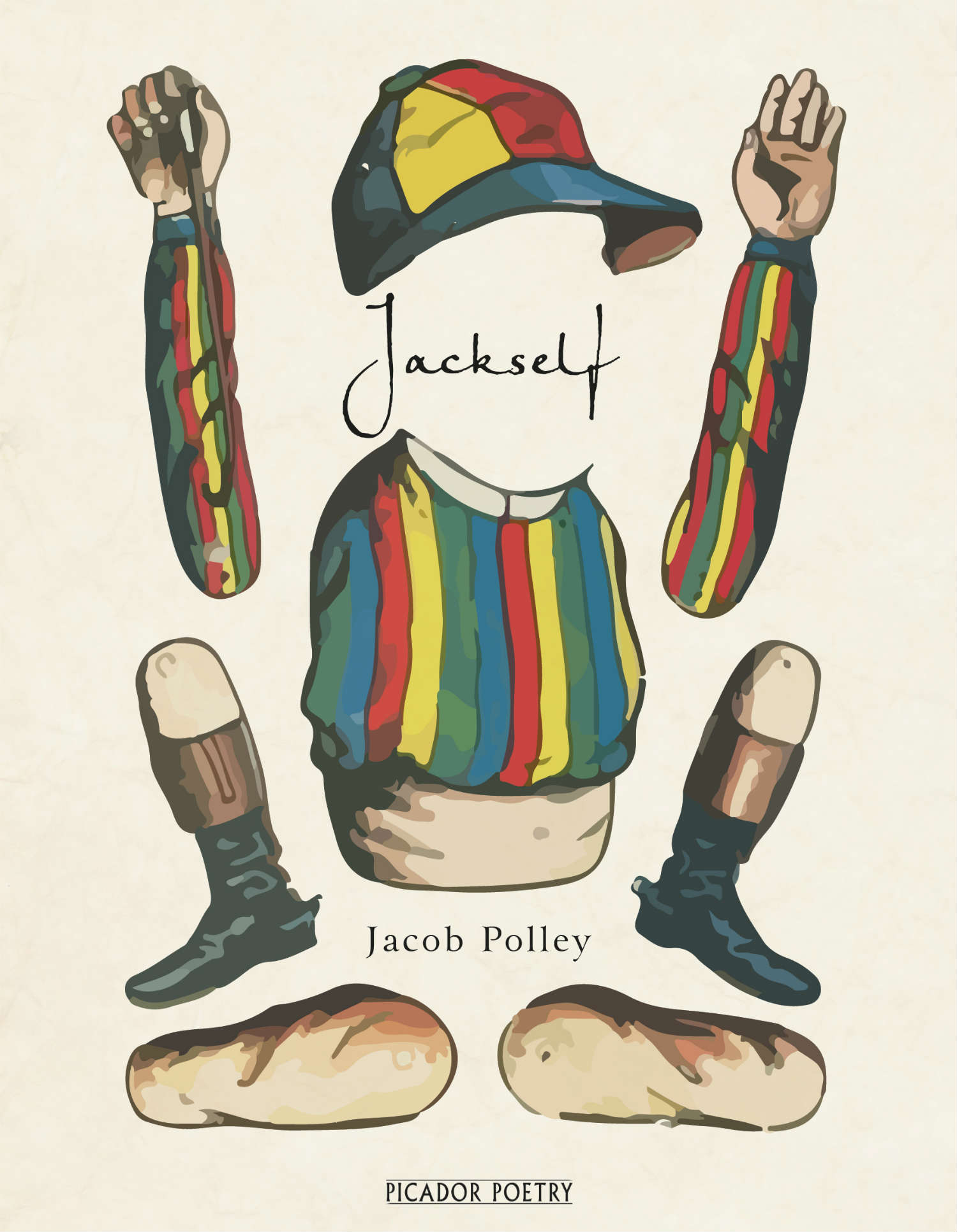 In Jackself, Jacob Polley creates an eponymous, quasi-mythic character and mythologises his native Cumbria. His title is wrested from one of Gerard Manley Hopkins’s terrible sonnets of spiritual and existential crisis (‘My Own Heart’) and, combined with an epigram from the anonymous ‘Tom o’Bedlam’, promises a deep engagement with folktales as it wanders through a midnight world.
 If Polley’s intimate engagement with landscape reminded me of Thomas Hardy, Denise Riley’s haunted Say Something Back reminded me of Hardy’s Poems 1912 – 13, his haunted, passionate response to the death of his first wife, Emma Gifford. Riley’s speaker seeks consolation in poetry: ‘I can’t get sold on reincarnating you / As those bloody ‘gentle showers of rain” – mocking the poeticisms of the past like a twenty-first century Ezra Pound – ‘oooh / Anodyne’. The collection’s engagement with grief in a godless world is stark, uncomfortable and authentic. Wordsworth, eat your heart out as ‘Peanuts in caramelised burnt chocolate bake / Through syrupy air’ underneath Riley’s Westminster Bridge.
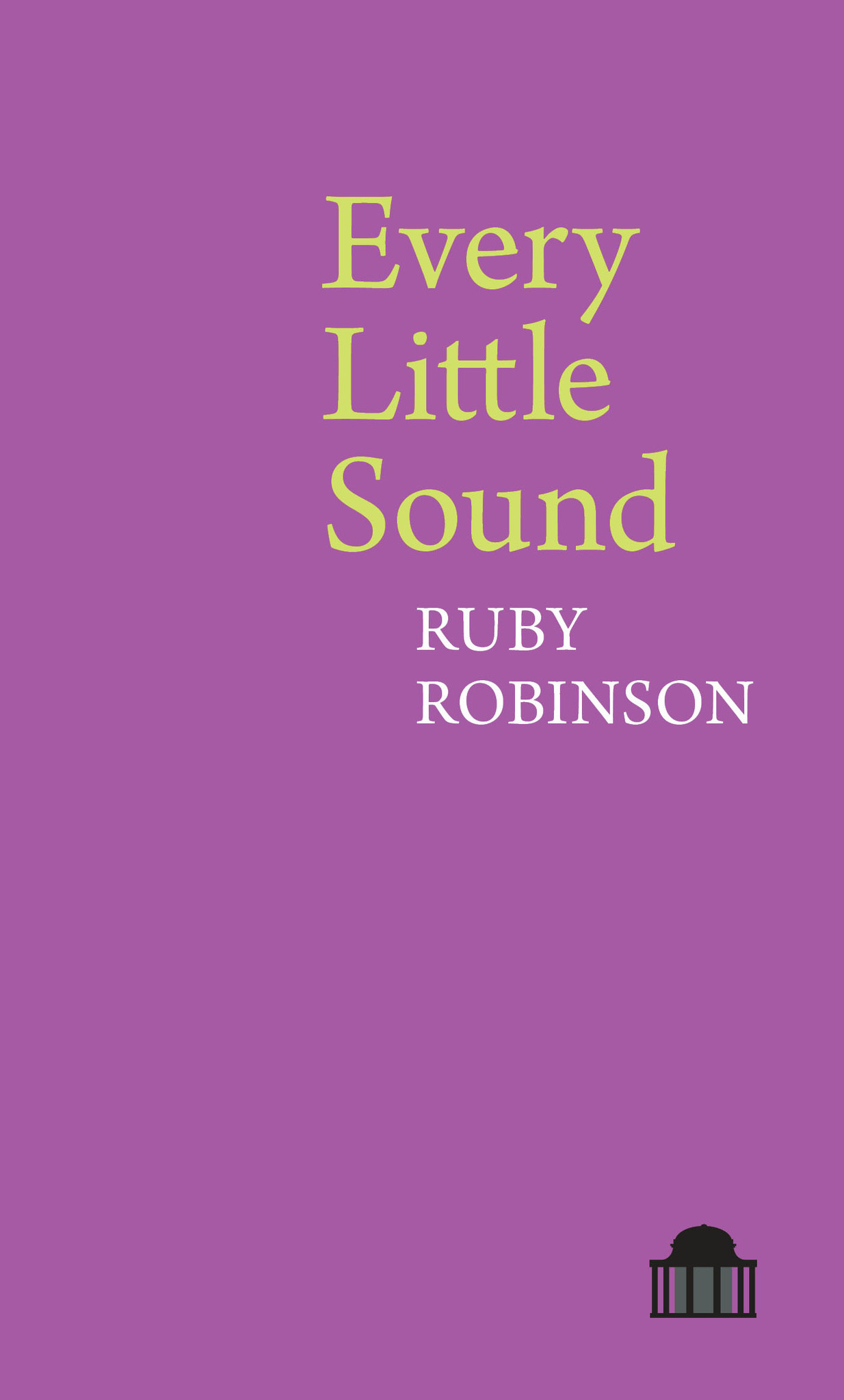 Ruby Robinson‘s Every Little Sound opens with a summary of the concept of ‘internal gain’: ‘an internal volume control which helps to amplify and focus upon quiet sounds in times of threat, danger, or intense concentration’. The result is a set of hyperreal observations, transcending the everyday and unlocking its latent Gothic menace.
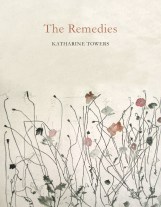 Finally, Katharine Towers‘ The Remedies is unlike the other shortlisted collections: there’s a purity, a gentleness, a stillness which serves as a foil for the political and social engagement in some of the others. However, perhaps there is a form of social engagement here – stillness and silence are premium products, luxuries, in a world overloaded with the white noise of information and demands for action. Towers offers us a salve. Simplicity and beauty are endowed with the power of an essential oil in this collection.
 Poor Rude Lines: poetry reviews & recommendations by John Field