
Here are links to my reviews of the collections shortlisted for the 2020 T.S. Eliot Prize
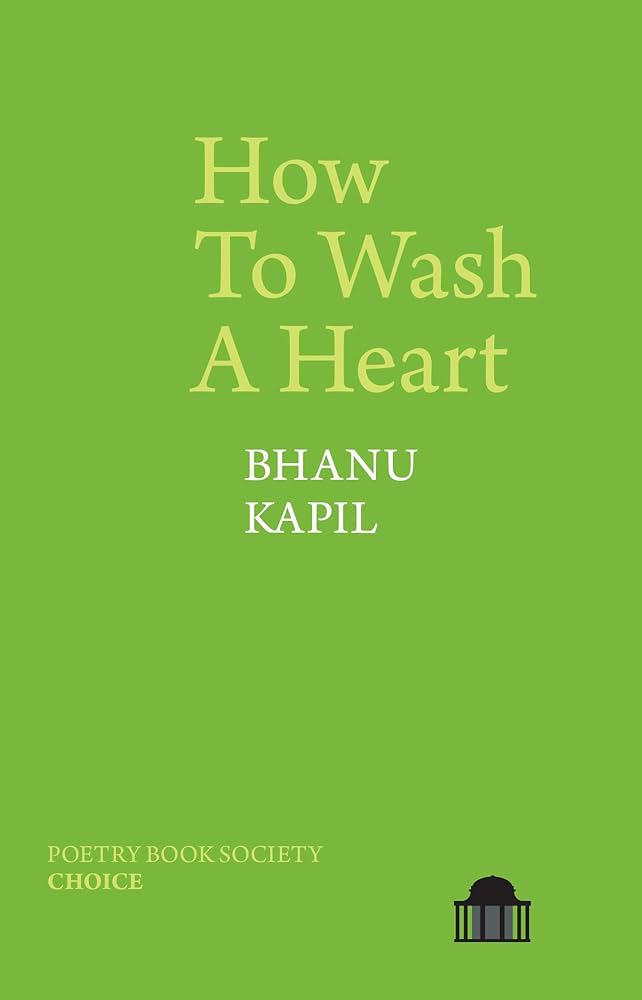
Bhanu Kapil, winner of the T.S. Eliot Prize, 2020
How to Wash a Heart
‘How to Wash a Heart breaks a powerful taboo: the requirement for gratefulness. Kapil’s poetry is courageous and honest. There is no convalescence for the immigrant heart and the domestic microaggressions it endures at its destination are just a different kind of war.’

Natalie Diaz
Postcolonial Love Poem
‘As a Mojave American, Natalie Diaz’s Postcolonial Love Poem considers the erasure of native cultures and peoples from the American continent. However, she engages with political and environmental problems at an aesthetic and linguistic level too.’
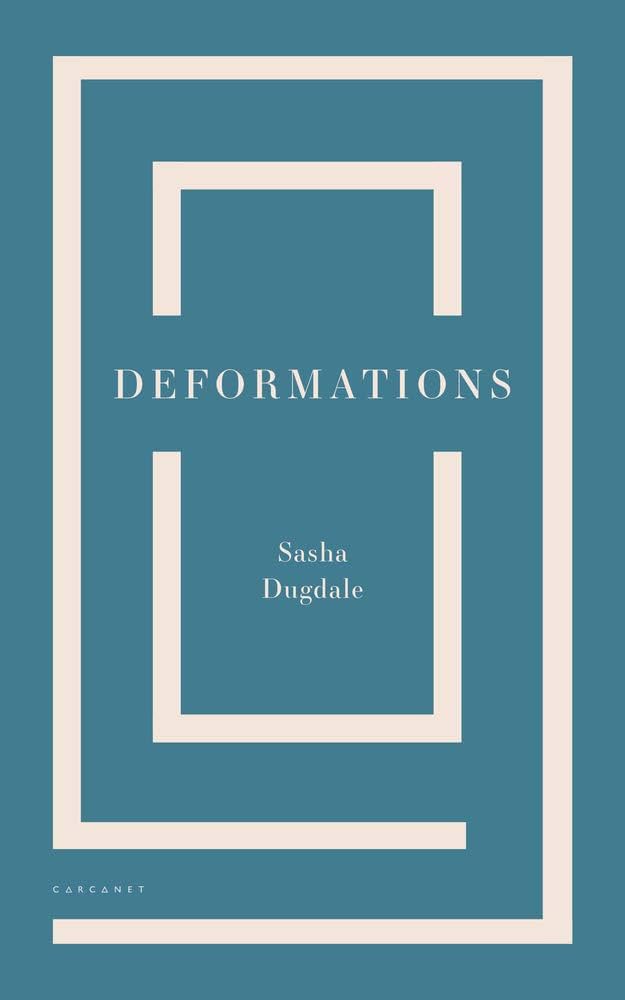
Sasha Dugdale
Deformations
‘Under Dugdale’s gaze, the pristine alabaster biceps and six packs of that meticulously crafted fiction, masculinity, crack and crumble like cheap plaster.’
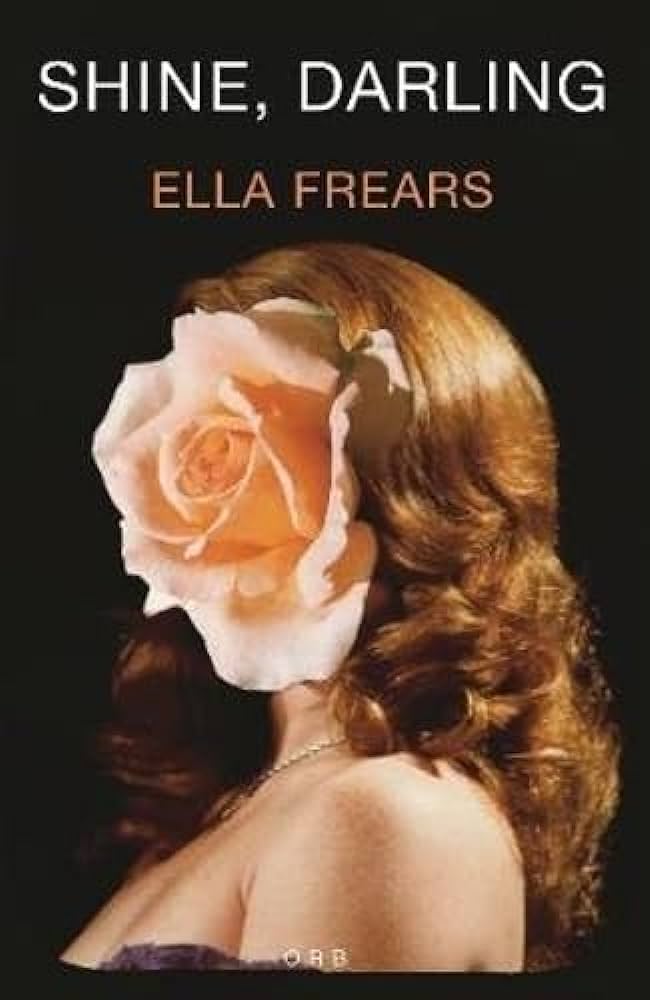
Ella Frears
Shine, Darling
‘Ideas and images segue and develop satisfyingly from poem to poem but, above all, she demands that her reader makes the world new. With her, we see the world feelingly.’
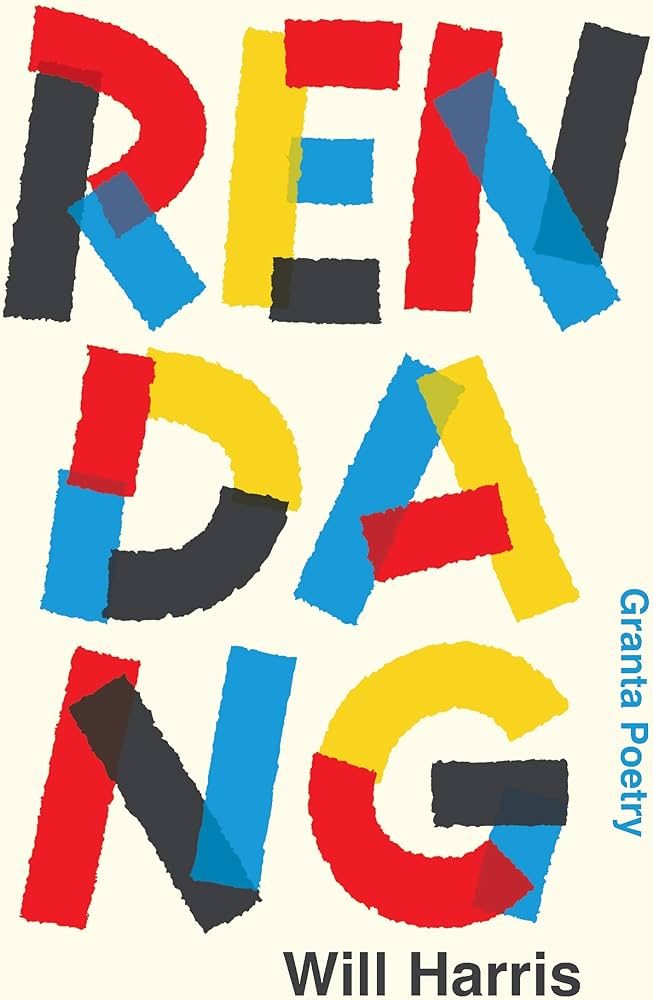
Will Harris
RENDANG
‘Reading Will Harris’s debut, RENDANG, is a rich, rewarding experience. Cities and interiors are evoked with deft economy and, in Harris’s hands, the kaleidoscope of context twists in a moment, fracturing and reconfiguring the world with a dreamlike surrealism.’

Wayne Holloway-Smith
Love Minus Love
‘Wayne Holloway-Smith’s Love Minus Love pulls off dizzying feats with language and structure in its forensic examination of the nuclear family. Through its sound and silence, we feel the forces tearing the individual asunder as the framework of the family collapses.’
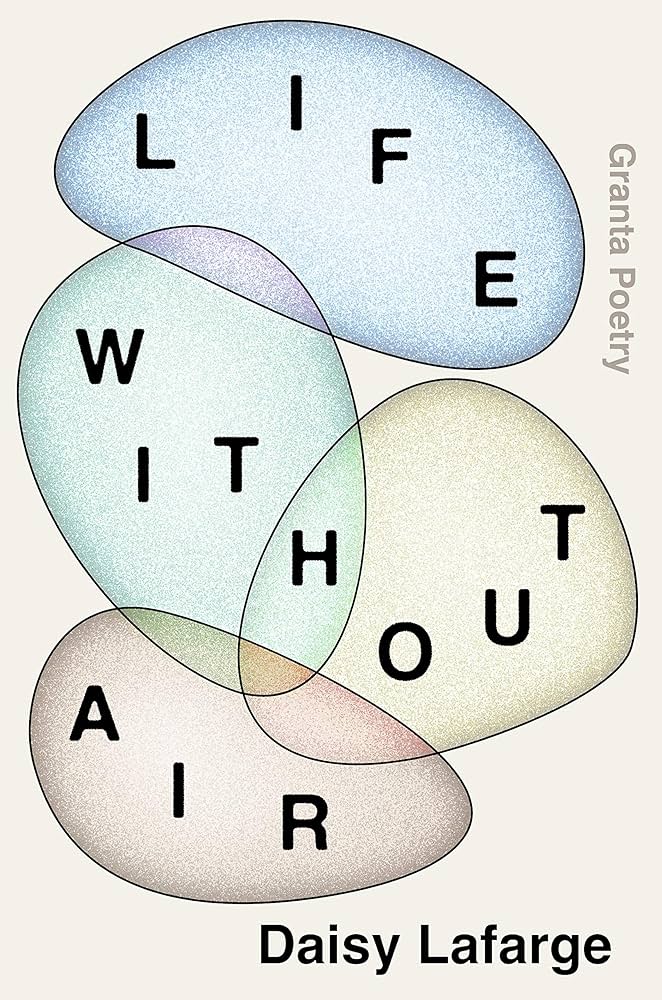
Daisy Lafarge
Life Without Air
‘The impetus driving Life Without Air, Daisy Lafarge’s debut collection, is Louis Pasteur’s investigation of how organisms respond to airlessness. […] Lafarge’s collection is rich and allusive. Airlessness speaks of the claustrophobia of modern living but also of a world facing the Climate Emergency.’
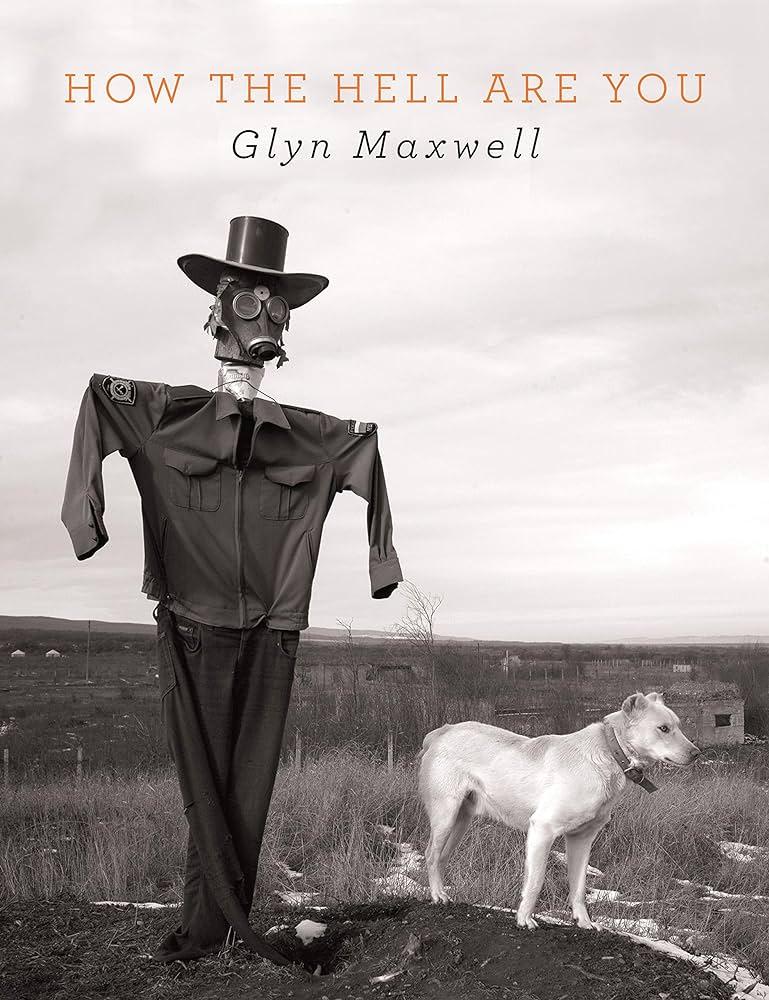
Glyn Maxwell
how the hell are you
‘how the hell are you is rooted in pain and loss, in humanity’s insignificance. Yes, it’s brilliant on writing (and reading) but it’s warmly human too. These poems are authentic and urgent – sweated in the night.’
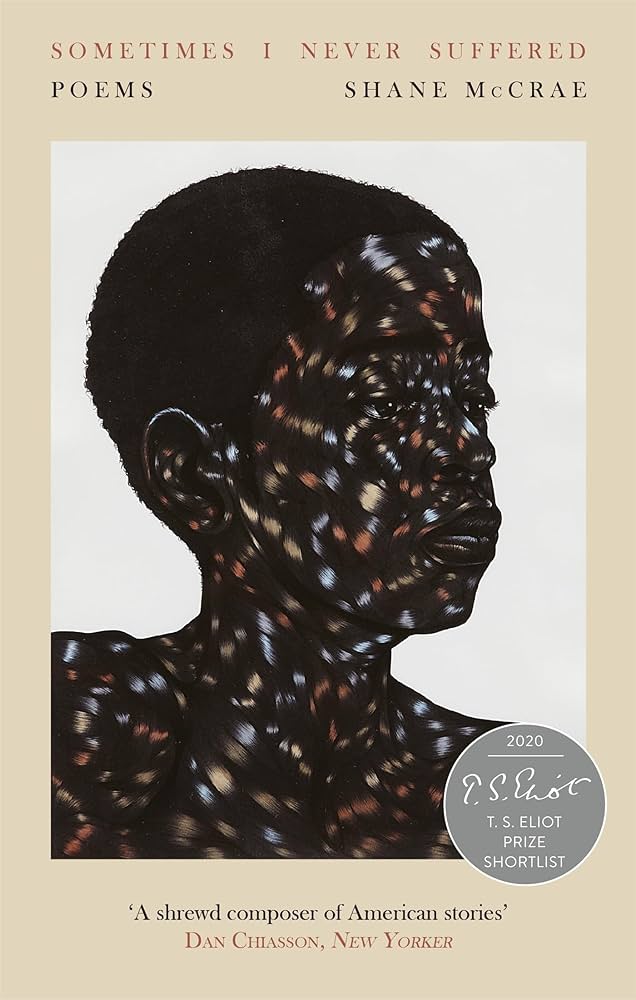
Shane McCrae
Sometimes I Never Suffered
‘Sometimes I Never Suffered feels like a Medieval Dream Vision: a rebuke to the present and an arresting reimagining of eternity, a hope for a better future. Like Paradise Lost, the collection opens with a fall […] but, by the journey’s end, we see Jacob’s ladder, the golden staircase connecting Heaven and Earth, and the possibility of justice, redemption and reward.
J.O. Morgan
The Martian’s Regress
‘In British poetry, ‘Martian’ is a trigger word. It harks back to the Martianism of the 1970s and 1980s, to Craig Raine’s ‘A Martian Sends a Postcard Home’, to a vision of an invigorated prosaic in which books perch on hands like birds. The Climate Emergency indicates a different response and, in Morgan’s speculative poetry, the Martians are jaded colonists who dodged extinction by fleeing a dying Earth. We might suppose that the luxury of a second chance would have altered the species for the better but ‘regress’ suggests not only their return to the mother planet, their re-entry, but also the backwardness of their thought.’
 Poor Rude Lines