
Here are links to my reviews of the collections shortlisted for the 2018 T.S. Eliot Prize
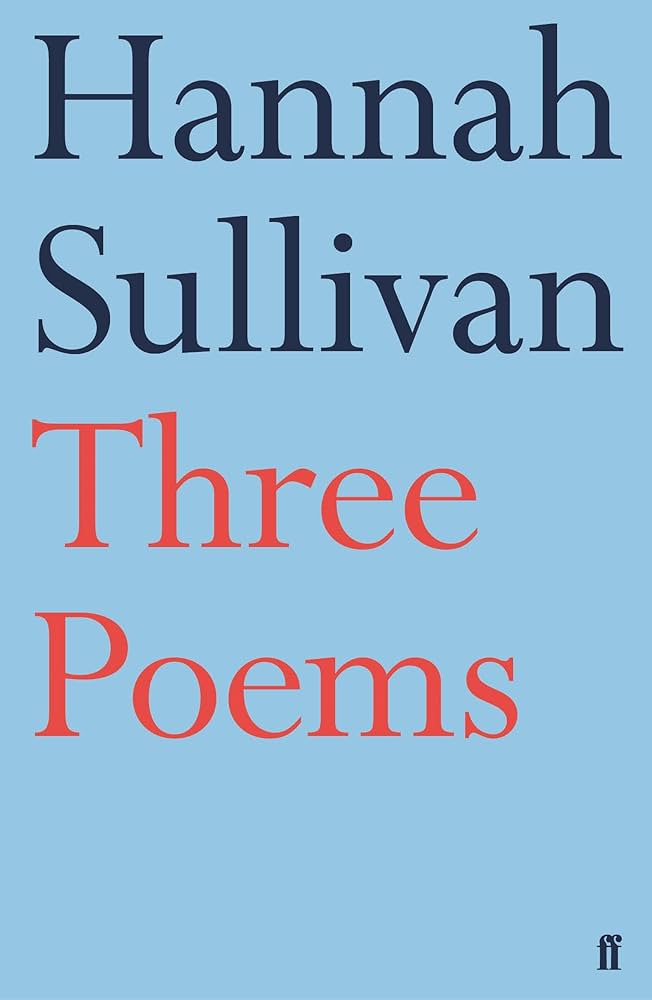
Hannah Sullivan, winner of the T.S. Eliot Prize, 2018
Three Poems
‘Hannah Sullivan’s Three Poems trains a steady gaze on the details of urban existence: its beauty, joy and pain. Like the work of Eliot and Pound before her, there’s a simultaneity to Sullivan’s presentation of time and even the medical particulars of birth and death converge into experiences which are disorienting in their similarity. The personal and the public combine in the crucible of Sullivan’s language into a disciplined, structured object of terrible beauty.’
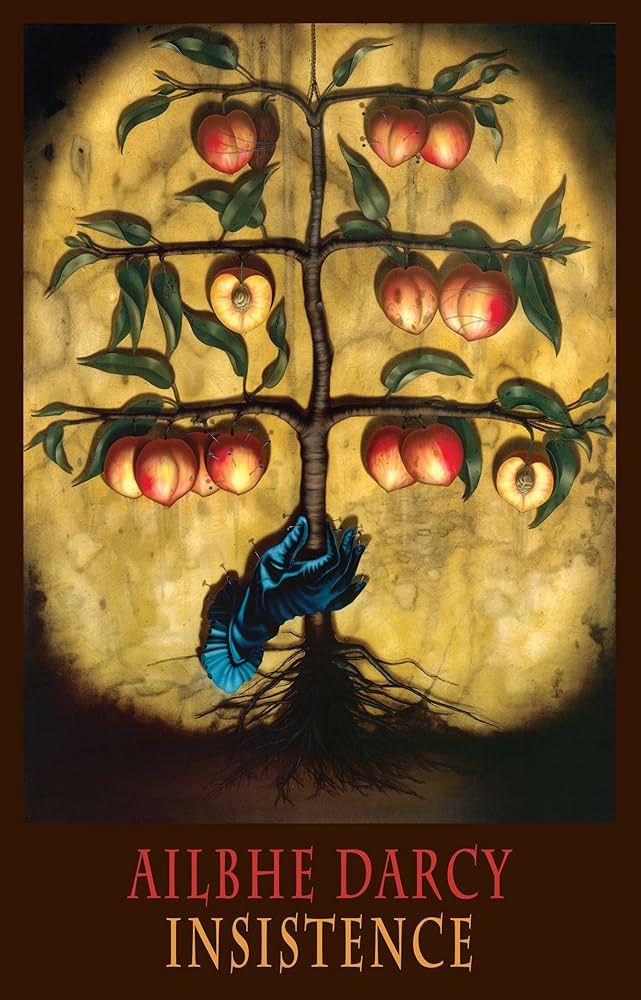
Ailbhe Darcy
Insistence
‘Ailbhe Darcy’s Insistence responds to troubled times: this summer, children took refuge from the searing sunshine, and drought laid Queensland to waste. The glacier on Sweden’s Kebnekaise mountain, formerly the country’s highest point, was its highest no longer. The planet’s political instability crystallises in the image of Alan Kurdi, drowned on a Turkish beach. Insistence is a troubling response to the spirit of the age but is not without optimism.’
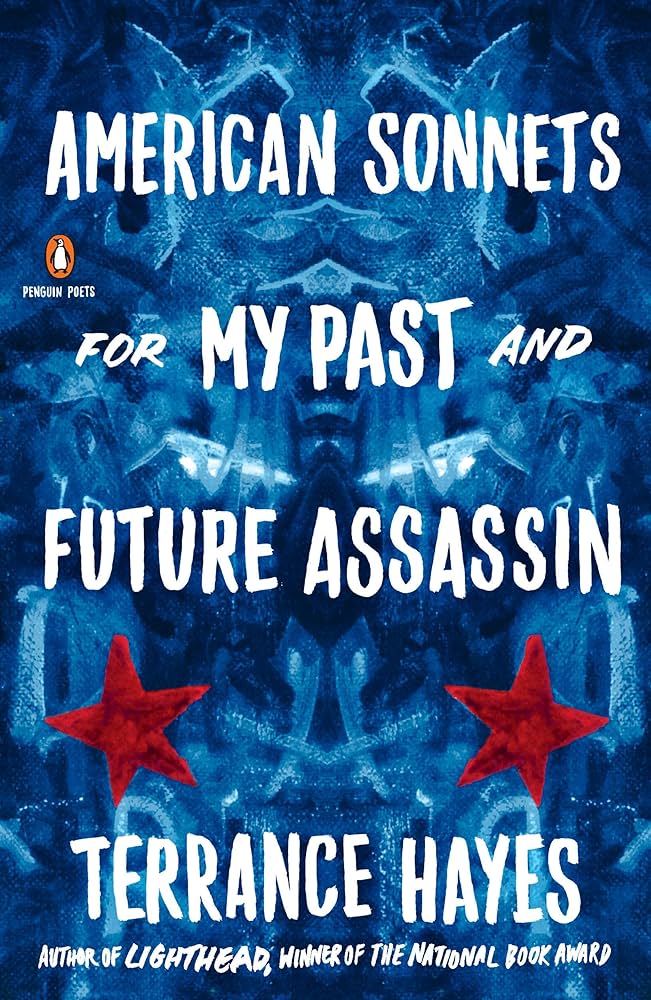
Terrance Hayes
American Sonnets for My Past and Future Assassin
‘American Sonnets for My Past and Future Assassin comprises a sequence of seventy sonnets and, into this crucible, Hayes casts the dreams and nightmares, love and hate of a nation. The result is fast-paced and disarmingly intimate, yet it declaims its politics of protest from the rostrum.’
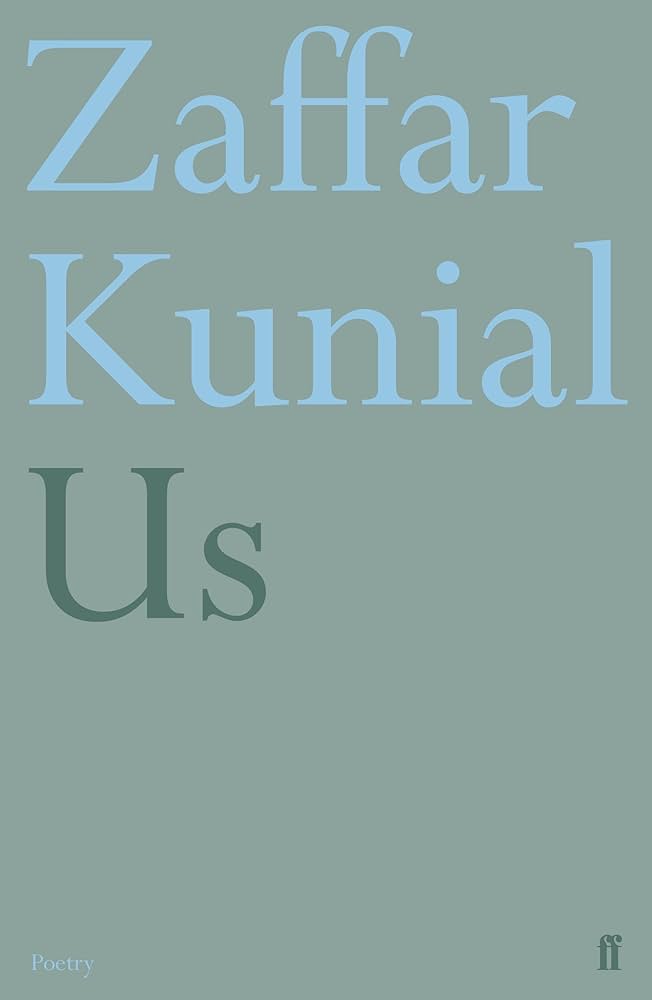
Zaffar Kunial
Us
‘Zaffar Kunial’s debut collection, Us, infuses culture in language, identity in history. In Kunial’s hands, language achieves a simultaneity that is both playful and beautiful, but also gently political as he resists and questions cultural assumptions.’

Nick Laird
Feel Free
‘In ‘Crunch’, Laird writes that ‘poetry / is weather for the mind / not an umbrella’ and in his collection, Feel Free, he presents his reader with challenging material. Poetry rarely flinches in the face of death but, by writing about Grenfell and refugees taking their chances on the Mediterranean, Laird presents some of the darkest moments of recent years. The result is an arresting, moving presentation of a cold, tangible world and a chillier digital universe.’
Fiona Moore
The Distal Point
‘Forgive me the indulgence of writing this introduction to Fiona Moore’s poetry in the first person. I have read and reviewed her work since the publication of her debut HappenStance pamphlet, ‘The Only Reason for Time’, in 2013. Indeed, the review of this pamphlet is quoted on the back of this, her TS Eliot Prize nominated debut collection, The Distal Point. It is unflinchingly rational and objective as it explores some dark personal and historical moments and it punches with tremendous emotional force.’
Sean O’Brien
Europa
‘Sean O’Brien’s Europa presents an infernal dream vision of decadence and decay. It can be a stylised, noir vision, skeined in smoke and clad in stockings. However, its crisp thematic focus, and economy of form and language balance this with urgency. O’Brien’s language of borders, fences and walls gains power and resonance as it speaks of – and to – the geopolitical challenges of the present.’
Phoebe Power
Shrines of Upper Austria
‘The Austrian Expressionist painter, Egon Schiele, is referenced early in Power’s collection: the ekphrastic ‘children’, responds to his 1918 painting, ‘Stadtende’. A colourful town locks the viewer’s eye in the centre of the canvas but, on the margins to the left and the right, in the darker paint, children jump from open windows and run through the trees. Power’s poems question the permanence of human society and, like Schiele, acknowledge the troubling voices we hear at the margins. Power evokes a sense of place with a vibrant, spare palette and her collection’s voices reflect and refract its theme of change.‘

Richard Scott
Soho
‘Richard Scott’s debut collection, Soho, measures personal experiences of gay sexuality and shame against a broader sweep of history and culture. The result is extraordinary. His poems land like punches and bloom like bruises, yet the collection is underpinned by a close engagement with decadent and queer culture, lending his poems a lyricism which serves as a counterpoint to their passion and pain.’
Tracy K. Smith
Wade in the Water
‘As a cultural artefact, the song ‘Wade in the Water’ carries a range of meanings: most recently it is associated with the Biloxi Beach civil rights wade-ins of the ‘50s and ‘60s, when people waded into the water to demand equal access to the public beach; it was sung at the full-immersion baptisms conducted along the rivers and deltas of the South; it was coded guidance given to slaves contemplating an escape to freedom on the Underground Railroad, where wading in the water was a means to elude pursuing bloodhounds. Smith writes with an economy of word and symbol, allowing a deep engagement with history and our husbandry of the planet.’
 Poor Rude Lines