
Here are links to my reviews of the collections shortlisted for the 2017 T.S. Eliot Prize
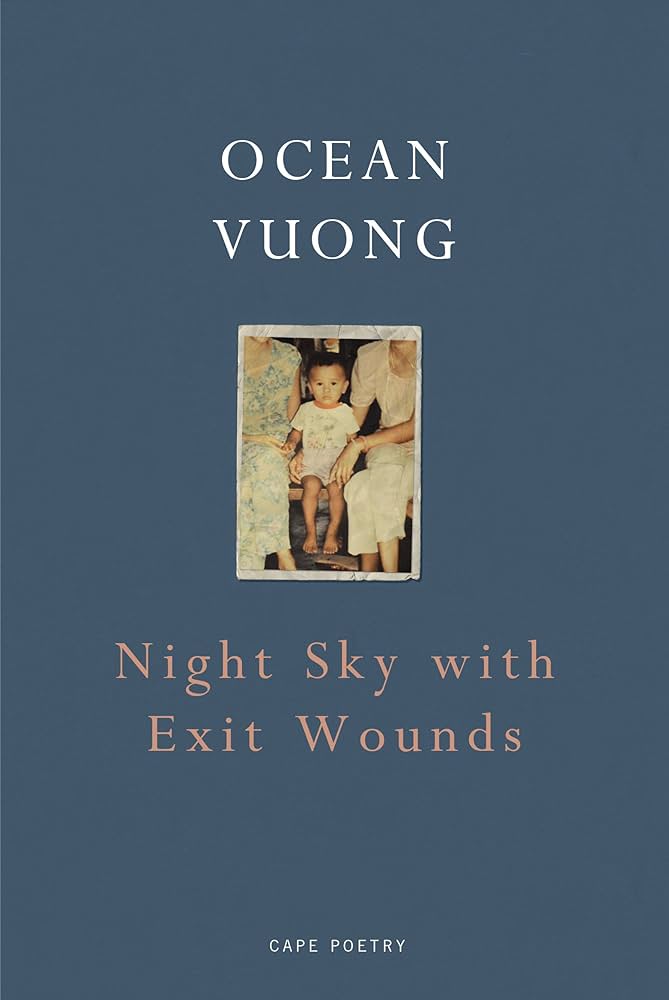
Ocean Vuong, winner of the T.S. Eliot Prize, 2017
Night Sky with Exit Wounds
‘Night Sky with Exit Wounds meditates on violence. The Vietnam War’s legacy of trauma is considered through these searing, painful, playful, beautiful poems.’
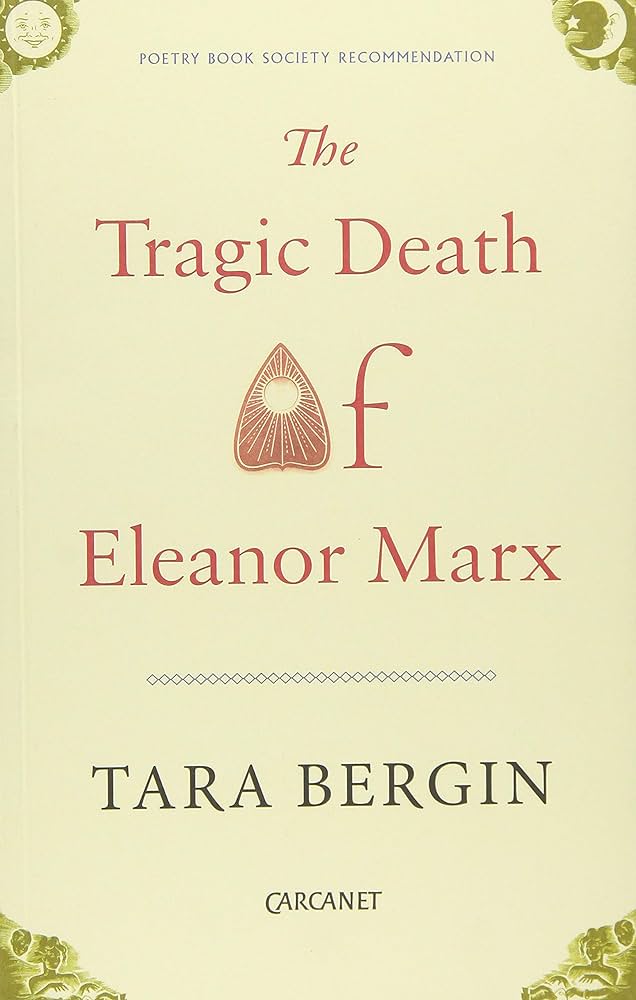
Tara Bergin
The Tragic Death of Eleanor Marx
‘Bergin’s collection is a hall of mirrors and its reflections are comic, grotesque – extraordinary. Marx penned the first official English translation of Madame Bovary, and here, reflected and refracted by various translators, it’s a window on the world. If this sounds highfalutin, then rest assured. It isn’t. Bergin’s notes help us to fix a pencil into a planchette, and to exploring love, disappointment and betrayal through the voices of the dead.’
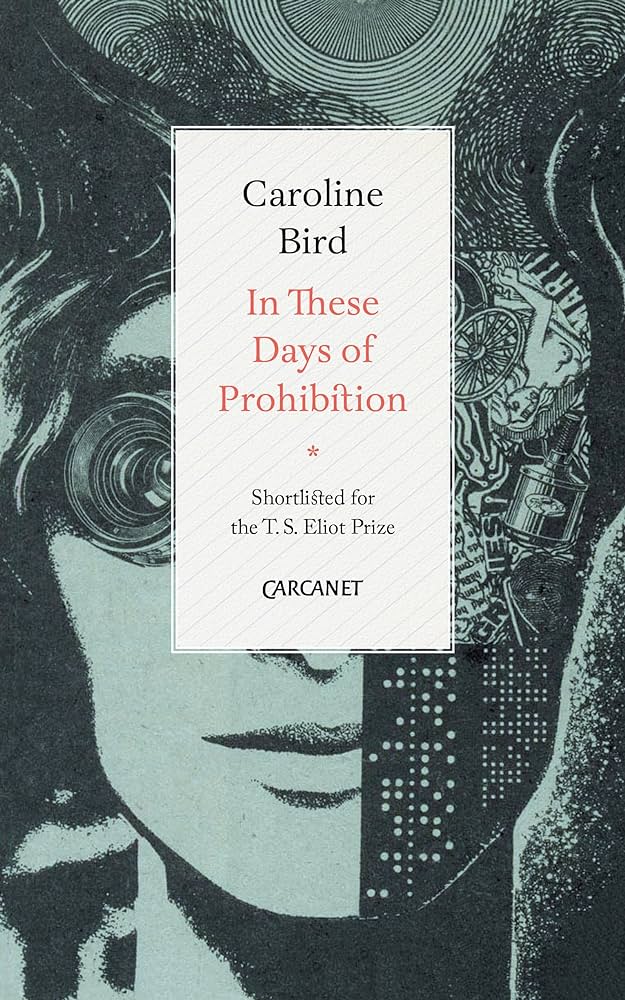
Caroline Bird
In These Days of Prohibition
‘In These Days of Prohibition takes a hard look at contemporary society but is, ultimately, uplifting. If Brett Easton Ellis wrote poems, I’d like to think they’d be poems like these.’

Douglas Dunn
The Noise of a Fly
‘The Noise of a Fly is a frank exploration of aging, of becoming one of life’s spectators. However, the collection has a contemporary political and social thrust and sees Dunn train his eye on Scottish independence and the state of the NHS.’

Leontia Flynn
Radio
‘The gossamer threads of Leontia Flynn’s The Radio connect present with past, highlighting the continuity and communality of human experience while acknowledging the fragility of the networks that bind us to one another – and that bind the individual, neuron by neuron, into a person.’
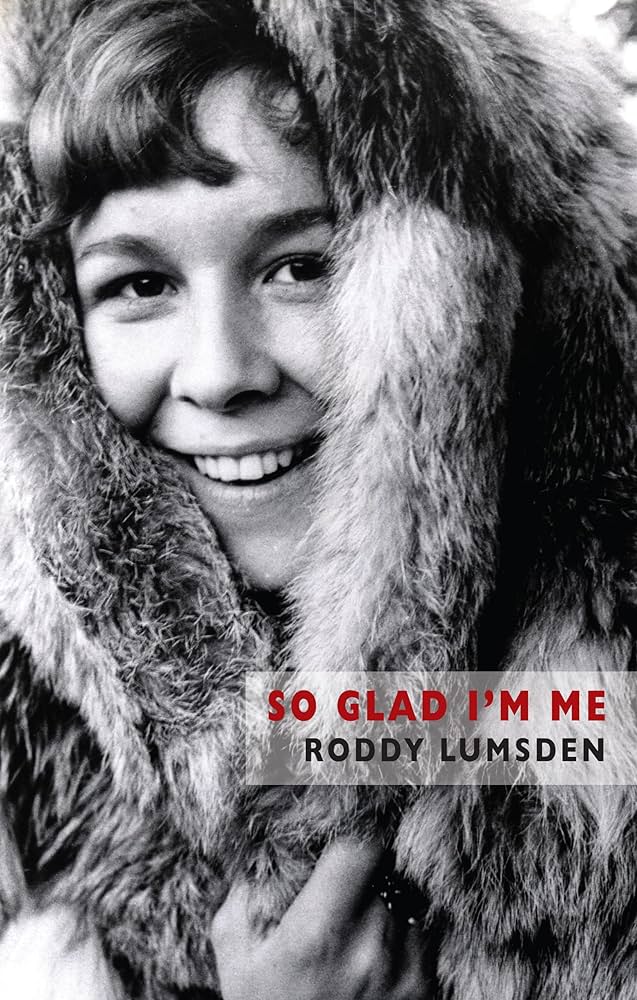
Roddy Lumsden
So Glad I’m Me
‘Enjoying a steamy bath with Madonna, sharing sweets with friends, savouring sex and cigarettes as the room spins: Roddy Lumsden’s So Glad I’m Me delights in the small things. Suffused with the bohemian eroticism of Baudelaire, Lumsden’s poems are a sensory overload of language, equally at ease with popular and literary culture.’
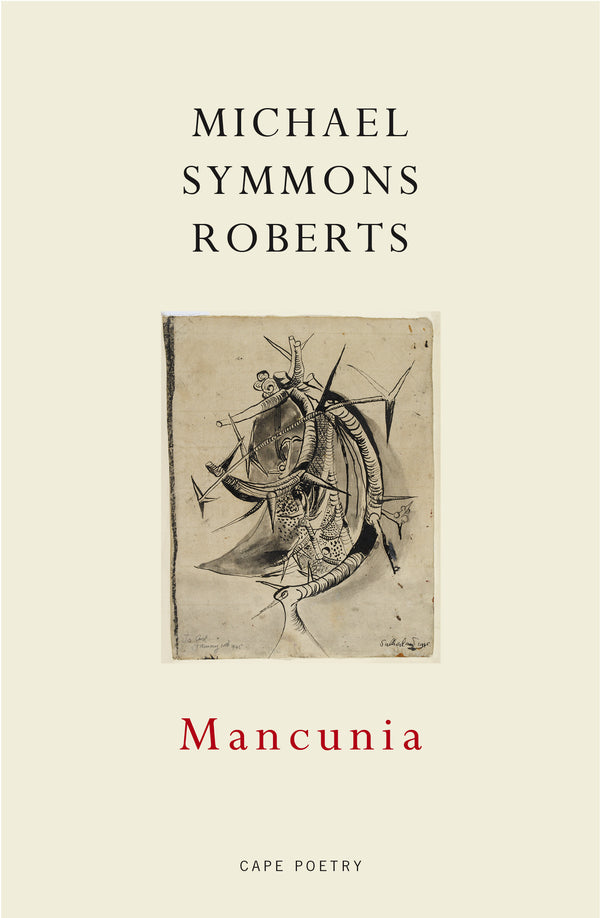
Michael Symmons Roberts
Mancunia
‘Michael Simmons Roberts’ Mancunia tours dive bars and patches of wasteland; it swoops from the refugee shanty towns of modern geo-political displacement, down through sedimentary layers and back in time to the Roman fort of Mancunium. Mancunia explores identity and belonging, setting contemporary social concerns against the backdrop of history, acknowledging that there is nothing new under the sun.’
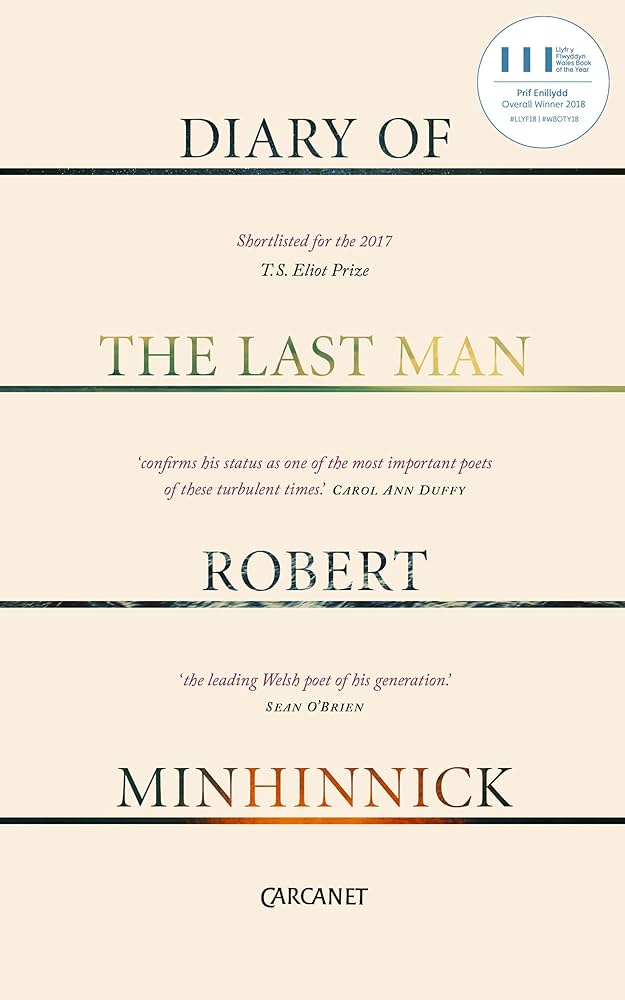
Robert Minhinnick
Diary of the Last Man
‘In Diary of the Last Man, Robert Minhinnick meditates on environmental apocalypse before training his eye on Anglo-American atrocities in Iraq. Finally, he offers translations from Welsh, Arabic and Turkish. Minhinnick’s poems are a virtuoso display: reminiscent of Gerard Manley Hopkins or Dylan Thomas, bringing the sounds of Welsh poetry to English. He also writes with the force and indignation of Shelley’s ‘The Mask of Anarchy’ as he attacks the obscenities of war.‘

James Sheard
The Abandoned Settlements
‘When moving house, the child’s bedroom ceases to function as castle keep. Those gaudy walls, emblazoned with animals, are no longer totems. Stripped of furniture and the ephemera of childhood, it’s just another set of scarred walls and the mural forest scene is either tawdy, or pathetic. James Sheard’s The Abandoned Settlements views loss and change through the prism of place and space, and the result is painfully, exquisitely fragile.’
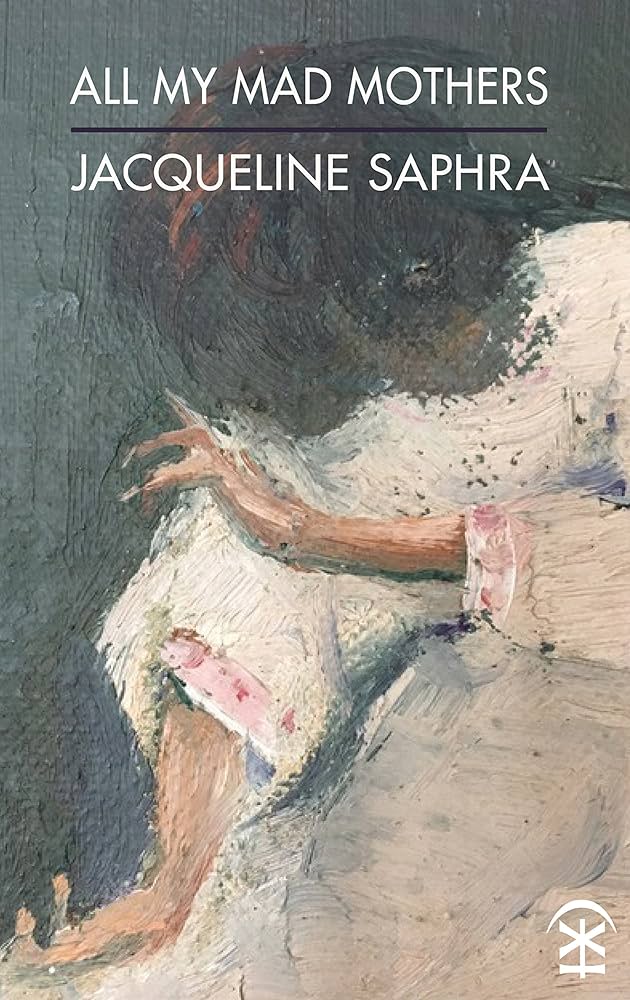
Jacqueline Saphra
All My Mad Mothers
‘Jacqueline Saphra’s All My Mad Mothers is a moving rumination on motherhood. Interspersed with prose sketches, the collection is warm and intimate as it explores love, sex, ageing and family..’
 Poor Rude Lines