
Here are links to my reviews of the collections shortlisted for the 2016 T.S. Eliot Prize

Jacob Polley, winner of the T.S. Eliot Prize, 2016
Jackself
‘Jackself promises a deep engagement with nursery rhyme and folktale and wanders in a midnight world.’
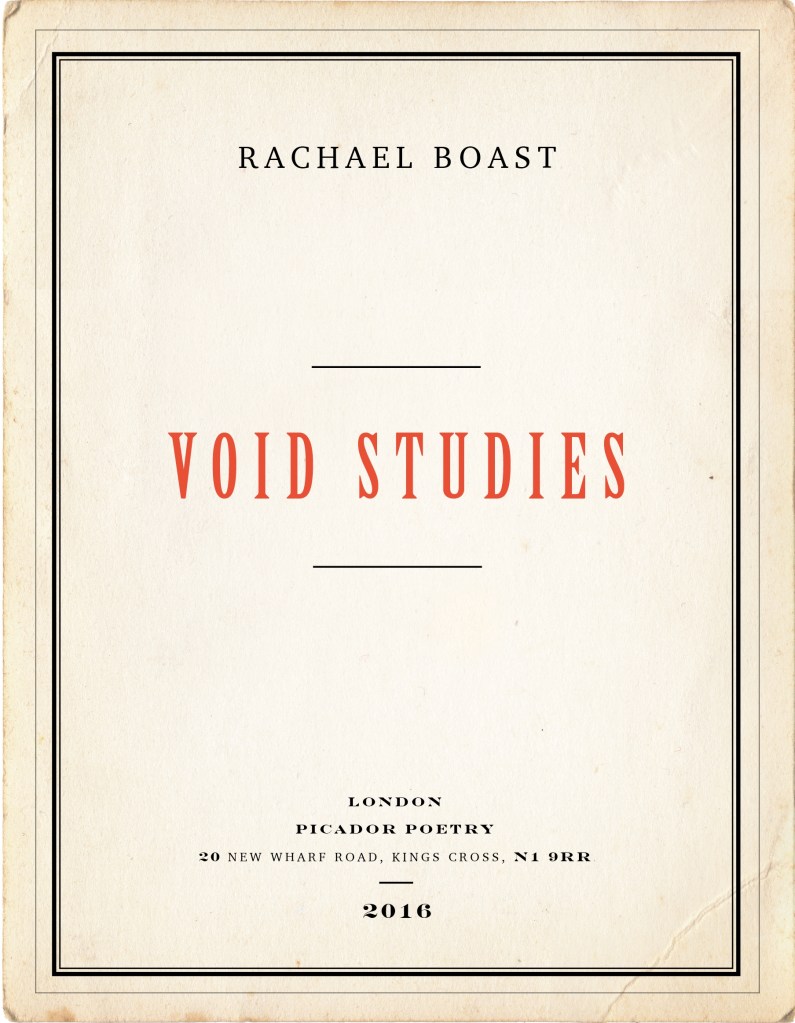
Rachael Boast
Void Studies
‘Rimbaud’s name is a touchstone for the reader: in John Ashbery’s Preface to his translation of Rimbaud’s Illuminations, he writes of Rimbaud’s ‘crystalline jumble […] a disordered collection of magic lantern slides’ and this should help direct the reader down a relaxed, fruitful path. Sure, you’ll need to pay attention but you’re not missing something if you don’t ‘get’ it – you feel your way through poems like these. There’s nothing to ‘get’ as you watch sunlight playing across the surface of water – these poems are knocking on the door of the subconscious mind and the best thing to do is to relax.’

Vahni Capildeo
Measures of Expatriation
‘Vahni Capildeo’s Measures of Expatriation opens with an Old English dedication, ‘Eadig bið se þe eaþmod leofaþ’ (Blessed is he who lives humbly), taken from the cold, salty exploration of isolation, ‘The Seafarer’, a poem which helps us to measure language and ideas against a thousand years of invasion, immigration and imperialism.’

Ian Duhig
The Blind Road-Maker
‘It’s interesting to see who a society decides to memorialise and who it shuffles to the margins of history. The titular blind road-maker was the remarkable Blind Jack Metcalf, born blind but, nevertheless, a successful musician, tour guide and, in later years, civil engineer. In The Blind Road-Maker, Duhig memorialises a range of figures: from almost utterly obliterated from history like Jack Metcalf and the fifteenth century prophetess, Mother Shipton, to more familiar figures like Laurence Sterne.’
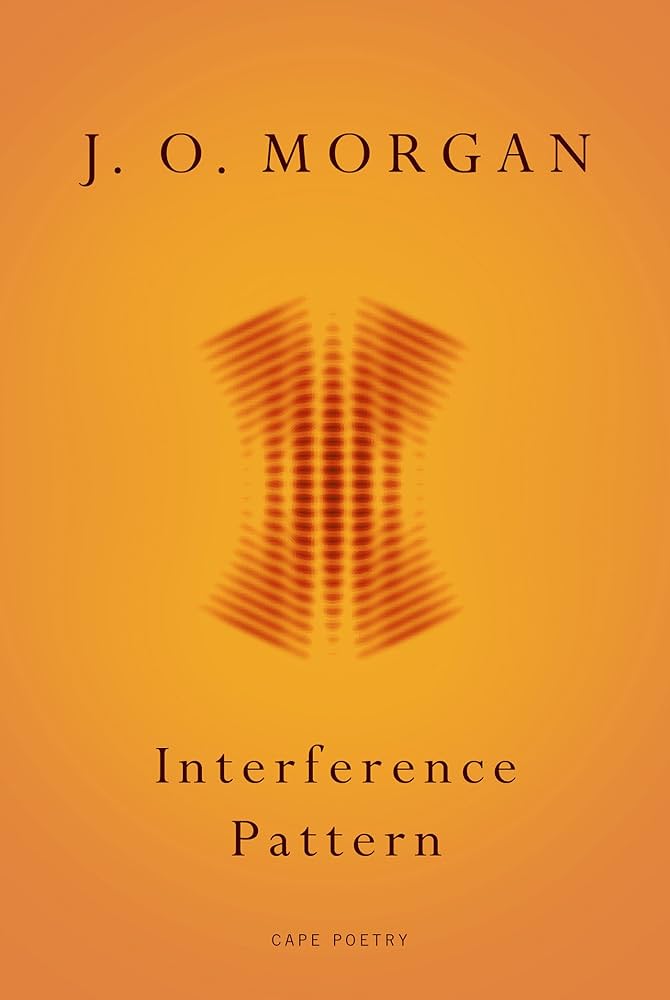
J.O. Morgan
Interference Pattern
‘Interference Pattern offers vivid, physical experience, offset by oblique, figurative responses. Although the book comprises a collection of individual poems, many of which stand alone sensationally well, this is no ‘collection’. Morgan’s poems bond to create a powerful, provoking metaphysical experience.’
Bernard O’Donoghue
The Seasons of Cullen Church
‘If you enjoyed Heaney’s final collection, The Human Chain, then you are likely to enjoy The Seasons of Cullen Church (the final poem, ‘The Boat’ is dedicated to Heaney’s memory). Translations of Dante, The Gawain Poet and William Langland allow these poems to resonate with the whole authority of the language – pure, beautiful and true.’
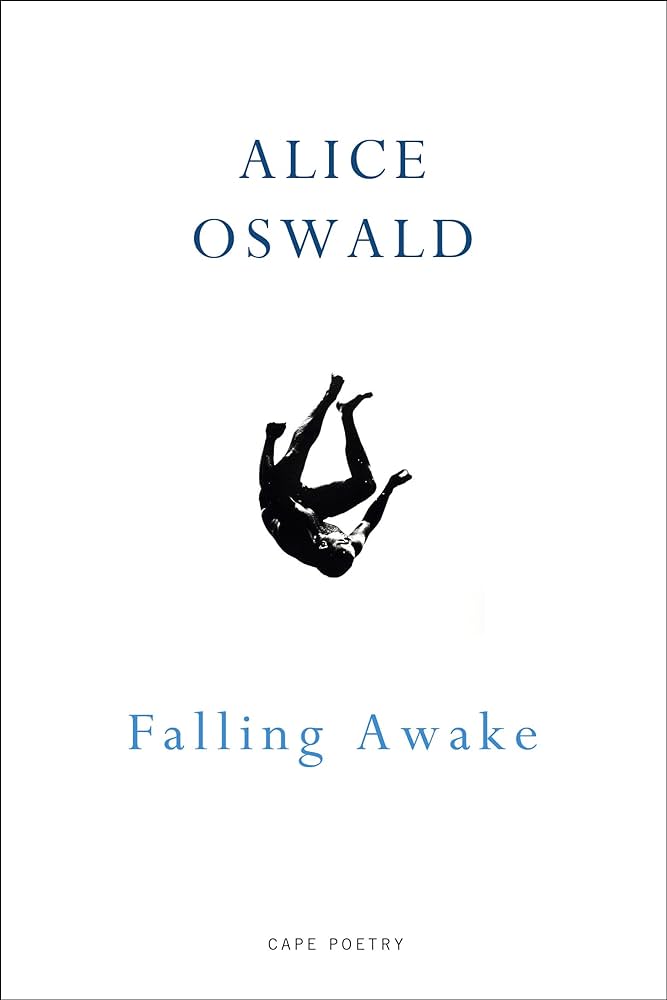
Alice Oswald
Falling Awake
‘The collection inverts and destabilises our regular perspectives. ‘Looking Down’ opens with ‘Clouds: I can watch their films in puddles / passionate and slow without obligations of shape or stillness // I can stand with wilted neck and look / directly into the drowned corpse of a cloud’. The puddle feels like the veil separating the world from the underworld.’
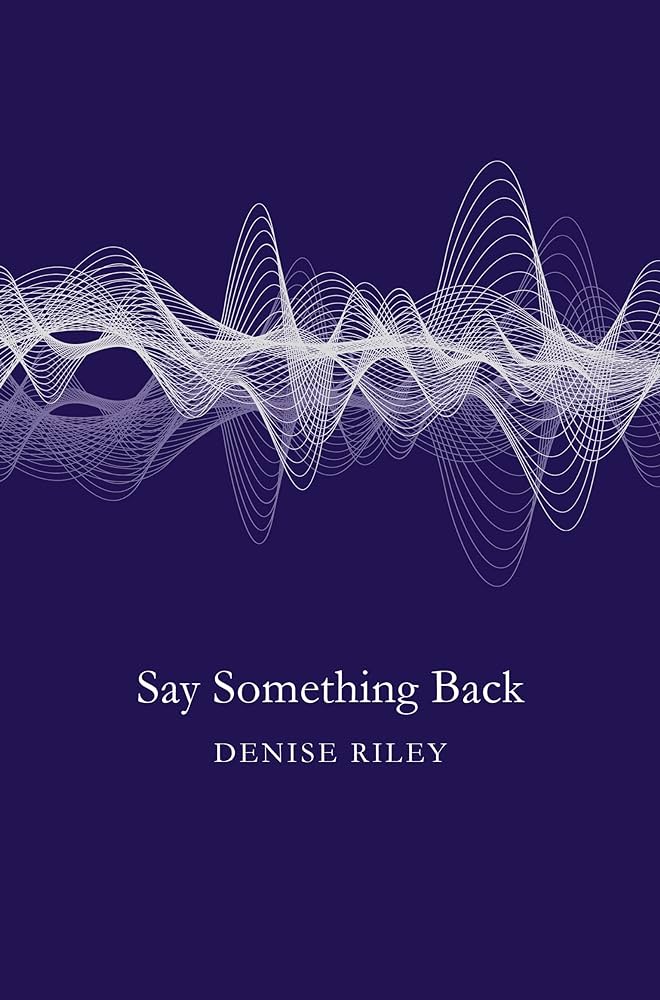
Denise Reily
Say Something Back
‘Though you are sitting in the warmth of home, curtains closed to the winter darkness, you can feel the hardness of the frost fingering the corners of the room. Denise Riley’s Say Something Back has this quality – the void of the white page feels less like the canvas of possibility and more like the oppressive silence of oblivion as the collection explores grief and loss.‘
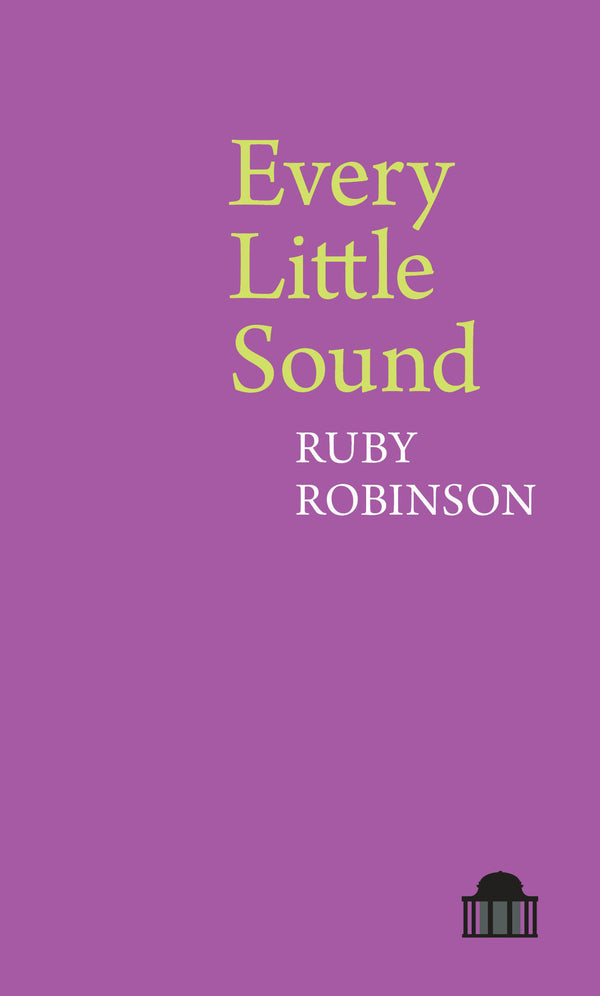
Ruby Robinson
Every Little Sound
‘Robinson’s Every Little Sound opens with a summary of the concept of ‘internal gain’: ‘an internal volume control which helps us amplify and focus upon quiet sounds in times of threat, danger or intense concentration’. The result is a set of hyperreal observations which transcend the everyday, unlocking its latent Gothic menace.’
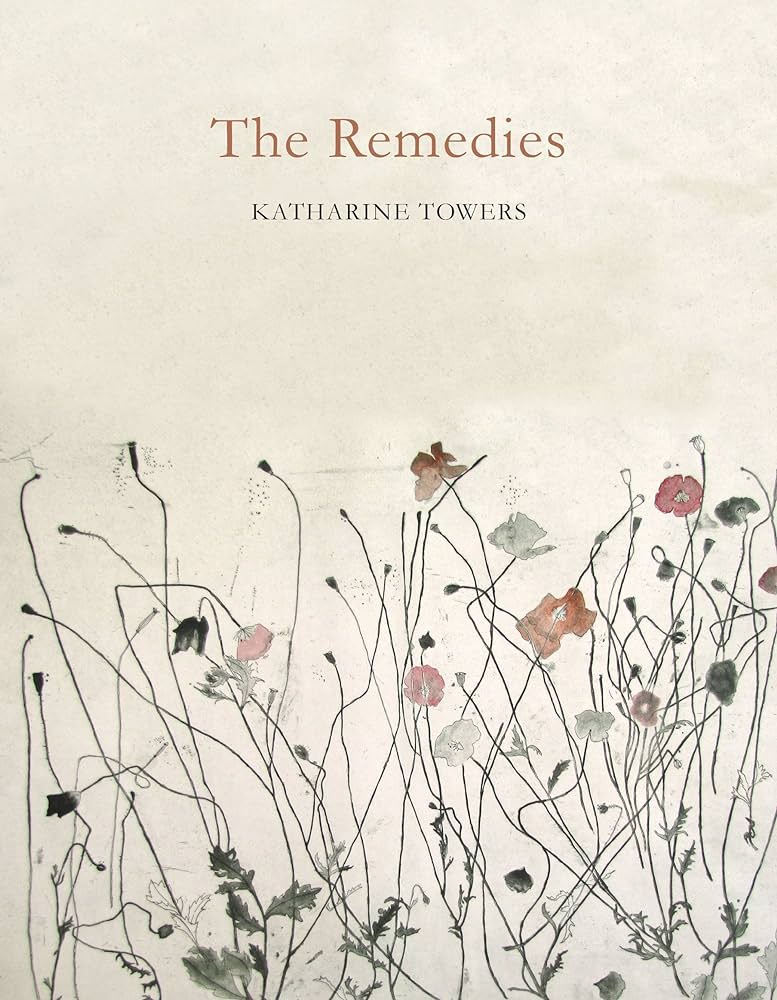
Katharine Towers
The Remedies
‘These poems are as simple as simples (medicines made from a single herb or plant), as simple as the attack and decay of a musical note struck beautifully. Here, Katharine Towers showcases an exquisite lightness of touch and, using the simplest, purest of materials, her poems sing from the page.’
 Poor Rude Lines